
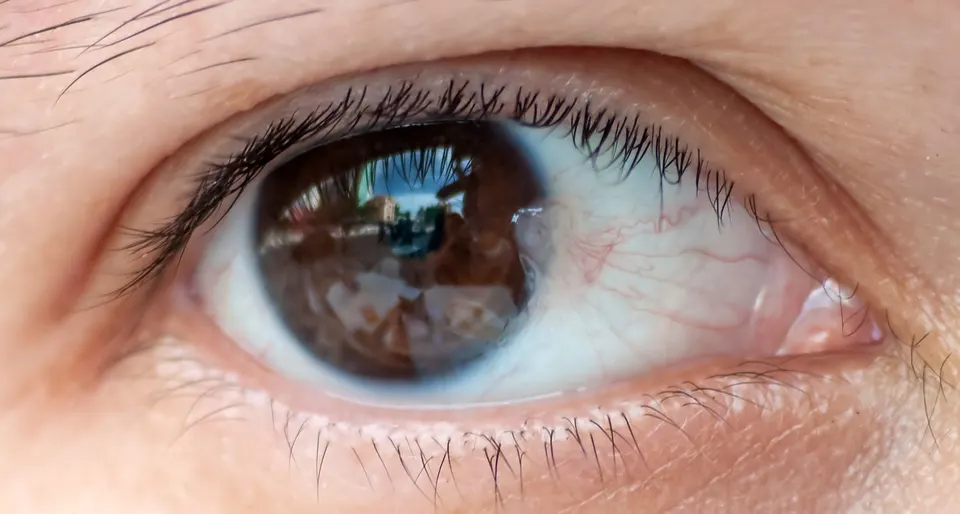
Specialty treatments · Pterygium
Pterygium removal with a no-stitch graft
Reviewed by Rajesh Khanna, MD
A pterygium is a fleshy growth on the white of the eye that can spread onto the cornea, causing redness, irritation and sometimes blurred vision. Dr. Khanna removes it and covers the area with a thin graft of your own tissue, held with biologic glue instead of stitches, to lower the chance it grows back.
How it works
Why the technique matters
Older “bare sclera” methods scraped the growth off and left the area to heal on its own. That approach had high regrowth rates.
With a conjunctival autograft, Dr. Khanna removes the pterygium and covers the area with a thin graft of your own healthy tissue. The graft acts as a barrier against regrowth. Biologic tissue glue holds it in place, so there are no stitches to irritate the eye.
Candidacy
Are you a candidate for Pterygium surgery?
Photos of your eye at your Free VIP Photo and/or Video Consult help confirm the diagnosis and plan.
Often a good fit
- Redness or irritation from a pterygium
- A growth you want removed for appearance
- A pterygium spreading toward the center of the cornea
- Astigmatism or blur caused by the growth
May not be right, or not yet
- Small, quiet growths that may only need monitoring
- Active eye infection
- Other surface conditions that need treatment first
Procedure day
Your path to a clearer eye
Free VIP Photo and/or Video Consult
Share photos of your eye, talk through your goals and questions, and get a personalized plan.
The procedure
Done in our office. Your eye is numbed with drops, the pterygium removed and the graft placed with tissue glue. It takes about 20 minutes. Sedation is used only for extensive recurrence or for children.
Go home
You go home the same day with a patch for the first 24 hours.
Healing
The eye is red while it heals for 2–4 weeks, then the redness fades.
Recovery
Recovery
Most patients return to work and light activities within 2–3 days. Mild discomfort is usually managed with over-the-counter pain relievers.
First 24 hours
Eye patch.
Days 2–3
Most people return to work and light activities.
Weeks 2–4
Redness fades as the eye heals.
Call the surgical team right away for increasing pain, sudden vision loss, marked redness or discharge.
Benefits and risks
The honest version
Why people consider Pterygium surgery
- A graft of your own tissue to help prevent regrowth
- One-year regrowth coverage and HELLO dry eye treatments included
- No stitches
- Done in our office, usually with numbing drops only
- Relief from redness and irritation for many patients
What no one can promise
Possible risks include regrowth, graft swelling or displacement, infection, inflammation, scarring and temporary blurred vision.
Lowering the chance of regrowth is the goal of the graft technique, but no technique can rule it out.
Video
Watch: recovering from pterygium surgery
Your surgeon
The technology is advanced. The judgment is personal.
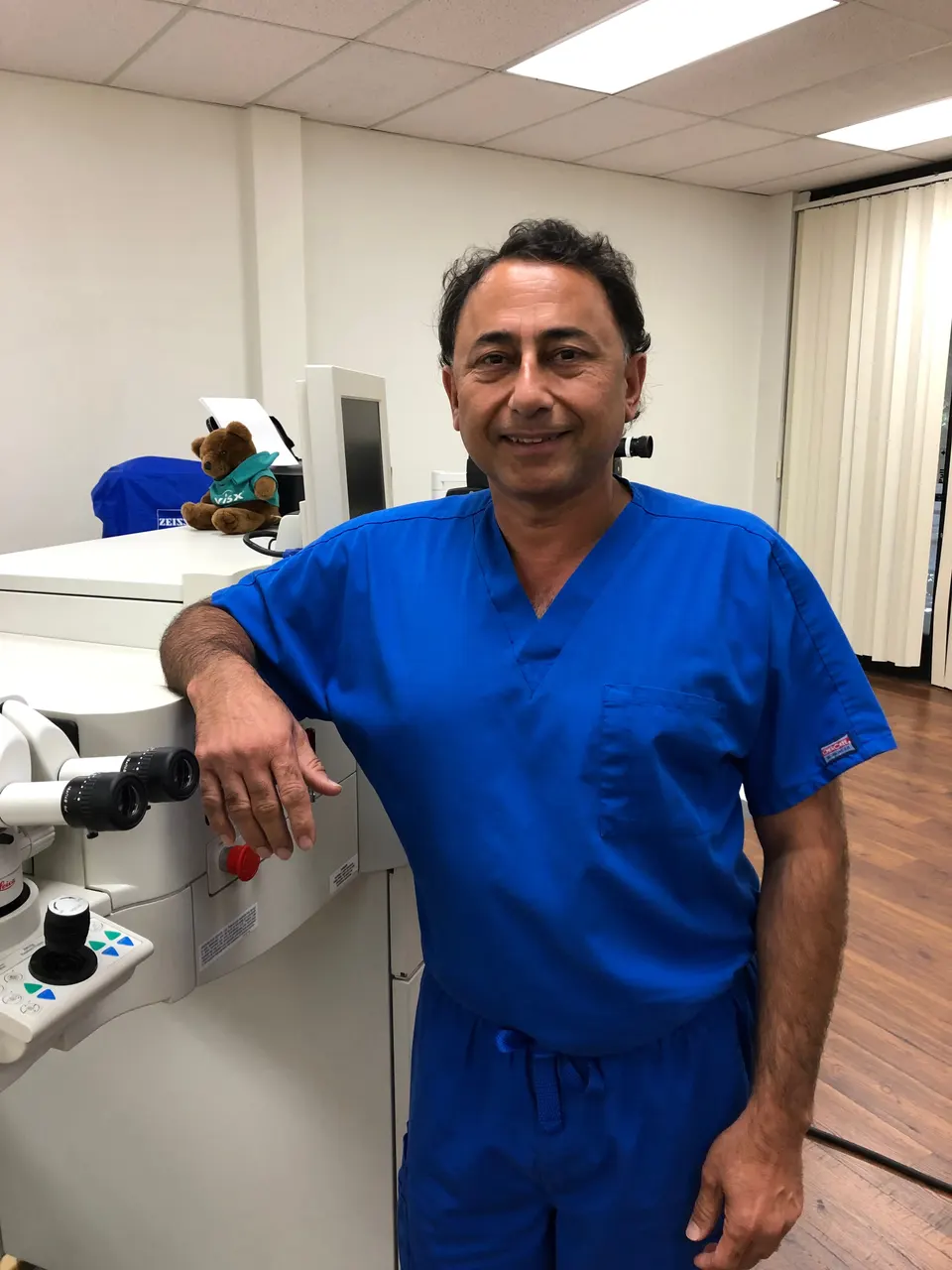
Rajesh Khanna, MD is a UCLA clinical instructor with 25+ years in practice and 25,000+ vision procedures.
At your visit, Dr. Khanna decides whether surgery is the right choice, which procedure fits your eyes, and how to manage the result. The aim is the safest path to the vision that matters in your life, not the newest procedure for everyone.
"I've operated on my own mother, my wife and my son." (Dr. Khanna)
About Dr. KhannaCost and financing
What pterygium surgery costs
| Option | Per eye, per month |
|---|---|
| Pterygium | $175 for 24 months |
Monthly amounts are for qualified applicants through our financing partners. Approval, APR and terms are set by the lender, not by Khanna Vision Institute.
Your price includes HELLO dry eye treatments and one-year regrowth coverage, along with all exams, measurements, surgeon’s fees, 24 months of follow-up and the drops needed for surgery.
If the pterygium grows back within one year, your regrowth coverage includes an injection of mitomycin C (MMC), a redo excision and a new graft.
If a pterygium causes astigmatism or blocks your vision, it is often considered medically necessary and may be covered by insurance. If it is removed for appearance alone, it is usually self-pay. We help you work this out at your Free VIP Photo and/or Video Consult.
We have dropped, and will continue to drop, HMO and optical (vision) insurance plans. For questions about a specific plan, call (310) 482-1240.
Not a candidate for Pterygium surgery?
- Lubricating or anti-inflammatory drops: to calm symptoms
- UV-blocking sunglasses: to protect the eye
- Monitoring: for small, quiet growths
Pterygium surgery questions
Is it done in the office?
Yes. Pterygium surgery is done in our office with numbing drops. Sedation is used only for extensive recurrence or for children.
What if it grows back?
If the pterygium grows back within one year, your regrowth coverage includes an injection of mitomycin C (MMC), a redo excision and a new graft.
Is pterygium surgery painful?
Your eye is numbed with anesthetic drops, so most patients feel light pressure, not pain. Any discomfort afterward is usually mild.
What is recovery like?
You wear a patch for the first 24 hours. Most patients are back to work and light activities in 2–3 days. The eye is red for 2–4 weeks while it heals.
Will it grow back?
Regrowth is the main concern with older techniques. Covering the area with a graft of your own tissue is designed to lower that chance, though no technique can rule it out.
Is it covered by insurance?
It depends. If the pterygium causes astigmatism or blocks your vision, it is often considered medically necessary. If it is purely cosmetic, it is usually self-pay.
How much does pterygium surgery cost?
Pterygium surgery is $175 per eye per month for 24 months for qualified applicants through our financing partners.
VIP consult
Request your Free VIP Photo and/or Video Consult
Send us your details and our team will set up your Free VIP Photo and/or Video Consult and tell you how to share photos of your eye.
- Photos included
- Insurance or self-pay explained
- Then a procedure date, if right for you
Beverly Hills: Monday and Thursday · Westlake Village: Tuesday, Wednesday and Friday · 8 AM–5 PM, last appointment 4 PM. Saturday by arrangement only: please call.
Sources
Medically reviewed by Rajesh Khanna, MD (review pending before launch). This page is educational and does not replace an exam. Eligibility, risks, benefits, alternatives and recovery are reviewed with your surgeon. Results vary.