
Lens solutions · Cataract
Laser cataract surgery with 3D imaging
Reviewed by Rajesh Khanna, MD
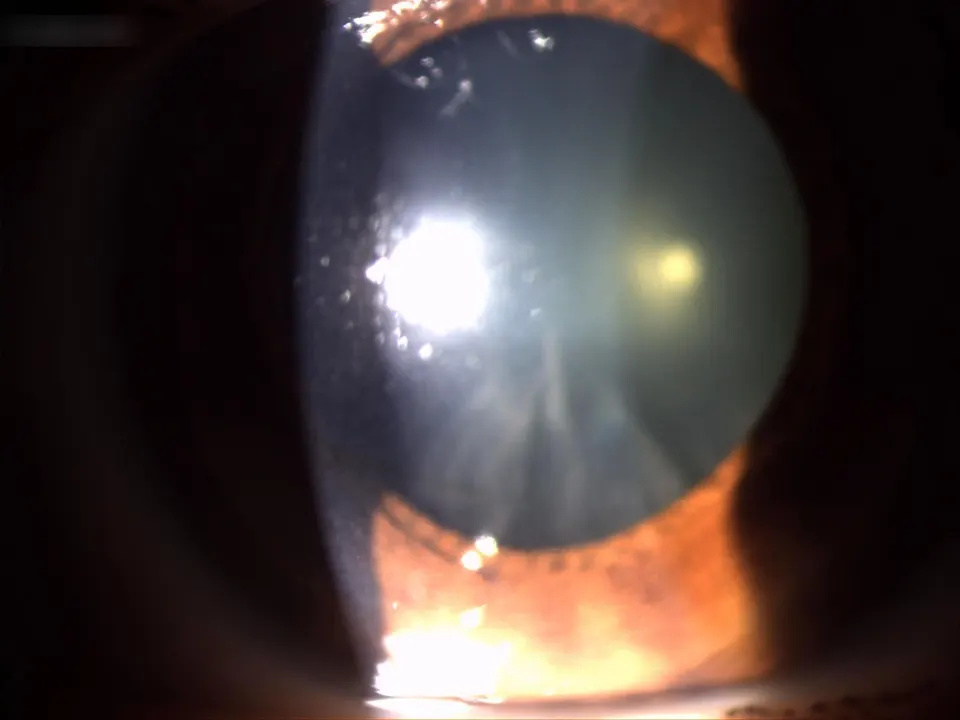
A cataract is clouding of the eye’s natural lens. Surgery removes the cloudy lens and replaces it with a clear implant. At Khanna Vision Institute, Dr. Khanna often uses the LENSAR robotic laser with 3D imaging for parts of the procedure. Cataract surgery is usually same-day, and many patients see better within days.
How it works
What happens in cataract surgery
Cataracts usually develop slowly with age. Vision can become blurry, colors dull, and glare from headlights worse. When cataracts get in the way of daily life, surgery is the only treatment that removes them.
With the LENSAR laser, detailed 3D imaging maps your eye, and the laser performs some of the precise steps. Dr. Khanna then removes the clouded lens and places an implant. Advanced implants can also reduce astigmatism or reliance on reading glasses.
Candidacy
Are you a candidate for Laser cataract surgery?
Your exam decides whether a cataract is ready to remove and which implant suits you.
Often a good fit
- Blurry, dim or yellowed vision
- Glare or halos when driving at night
- Frequent glasses changes
- Trouble reading or seeing faces
- A cataract diagnosed on exam
May not be right, or not yet
- Mild cataracts that don’t affect daily life yet
- Other eye conditions that need treatment first
No cataract yet, but tired of readers?
PIE uses similar lens surgery to treat presbyopia before a cataract forms.
Procedure day
Your path to clearer vision
First visit
Medicare and insurance patients book a covered annual eye exam or medical evaluation. Self-pay (cash) patients can book a VIP consult with 3D eye mapping, or the $395 VIP lifestyle exam.
Surgery day
Calming medication if you want it. The laser portion takes a couple of minutes and the whole procedure about 15 minutes. You feel light pressure, not pain, and go home the same day.
Next day
The shield comes off and Dr. Khanna checks your eye.
First week
Simple eye drops, and most normal activities resume as cleared. The second eye is scheduled if needed.
Recovery
Recovery
Many patients notice brighter, clearer vision within days. Follow Dr. Khanna’s written drop and activity schedule.
Surgery day
Go home with a shield and drops, and rest.
Next day
Follow-up visit.
First week
Use your drops and avoid rubbing your eye. Most normal activities resume as cleared.
Weeks after
Vision settles, and the second eye is scheduled if needed. New glasses, if any, are prescribed once the eye is stable.
Call the surgical team right away for increasing pain, sudden vision loss, marked redness or discharge.
Benefits and risks
The honest version
Why people consider Laser cataract surgery
- Removes the clouded lens permanently
- Detailed 3D imaging for planning
- Implant options that can reduce astigmatism or reliance on glasses
- Same-day surgery
What no one can promise
Cataract surgery is common and generally safe, but no surgery is risk-free. Possible risks include inflammation, infection, bleeding, swelling, raised eye pressure, retinal detachment, glare or halos and clouding behind the implant, which a YAG laser can clear.
Results vary, and you may still need glasses for some tasks.
Your surgeon
The technology is advanced. The judgment is personal.
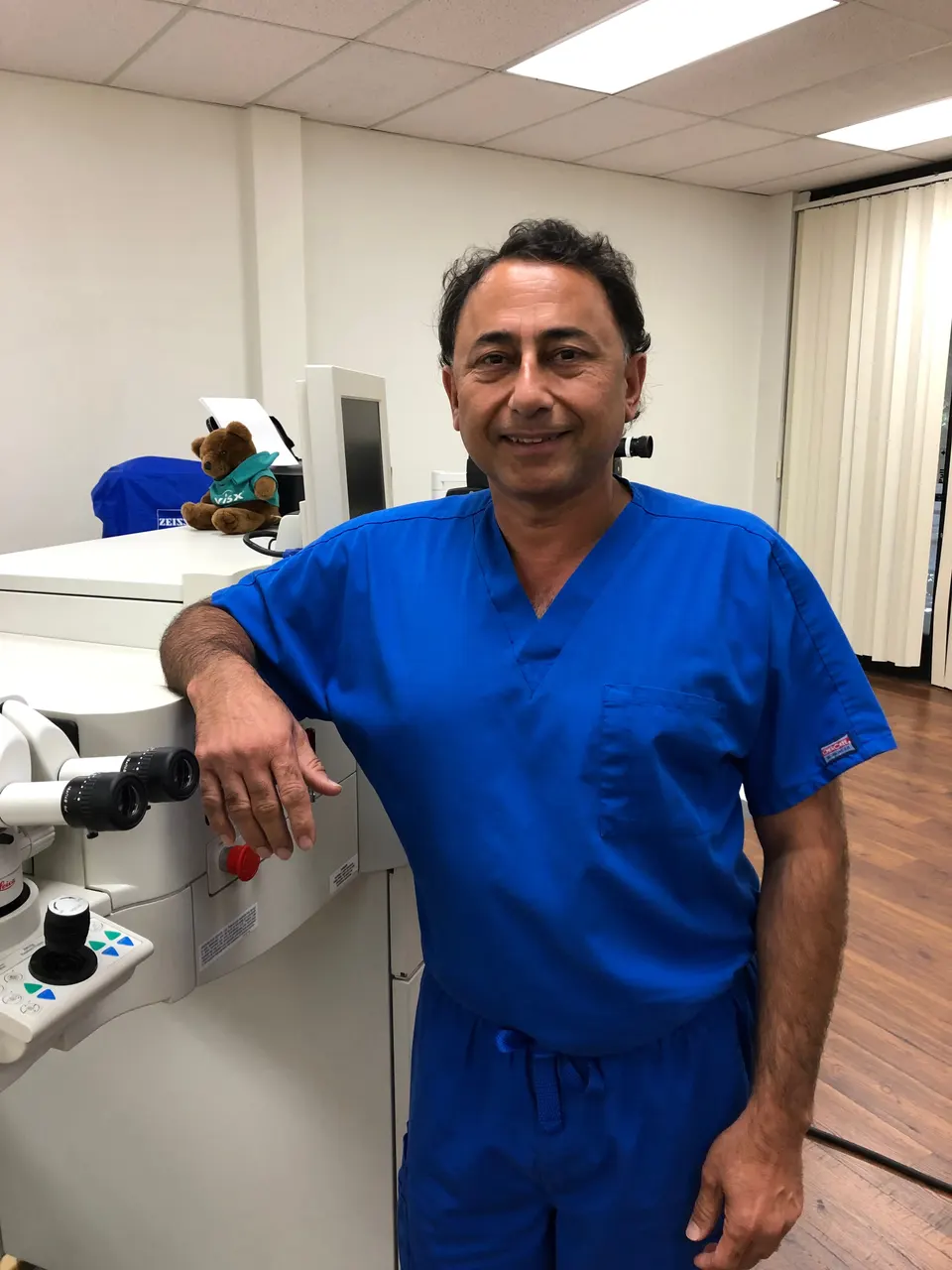
Rajesh Khanna, MD is a UCLA clinical instructor with 25+ years in practice and 25,000+ vision procedures.
At your visit, Dr. Khanna decides whether surgery is the right choice, which procedure fits your eyes, and how to manage the result. The aim is the safest path to the vision that matters in your life, not the newest procedure for everyone.
"I've operated on my own mother, my wife and my son." (Dr. Khanna)
About Dr. KhannaCost and financing
Insurance, Medicare and self-pay
| Option | Per eye, per month |
|---|---|
| Cataract (self-pay patients only) | $187.50 for 24 months |
Monthly amounts are for qualified applicants through our financing partners. Approval, APR and terms are set by the lender, not by Khanna Vision Institute.
If you have Medicare or insurance, your cataract surgery is billed to your plan. Please contact the office about your benefits. The monthly figure above applies only to self-pay (cash) patients.
Medicare and insurance cataract patients are not offered VIP consults, discounts or other incentives, in line with Medicare anti-inducement rules.
We have dropped, and will continue to drop, HMO and optical (vision) insurance plans. For questions about a specific plan, call (310) 482-1240.
Not a candidate for Laser cataract surgery?
- PIE: lens surgery for presbyopia
- Which lens is right?: comparing implant designs
Laser cataract surgery questions
How do I know I have a cataract?
Common signs are blurry or dim vision, faded colors, glare from lights and frequent glasses changes. An eye exam confirms it.
Does cataract surgery hurt?
No. Numbing drops are used and calming medicine is available. Most patients feel light pressure only.
Does Medicare cover cataract surgery?
Medicare and most insurance plans cover medically necessary cataract surgery. Advanced implants or laser steps may have additional costs. Contact the office about your benefits.
What does cataract surgery cost if I’m self-pay?
For self-pay (cash) patients only, cataract surgery is $187.50 per eye per month for 24 months for qualified applicants through our financing partners.
Will I need glasses afterward?
It depends on the implant chosen and your eyes. Advanced implants can reduce reliance on glasses, but some tasks may still need them.
VIP consult
Request a cataract visit
Tell us whether you have Medicare or insurance, or are self-pay, and our team will book the right visit.
- Medicare and insurance: covered annual eye exam or medical evaluation
- Self-pay (cash): VIP consult with 3D eye mapping
- No referral needed; second opinions welcome
Beverly Hills: Monday and Thursday · Westlake Village: Tuesday, Wednesday and Friday · 8 AM–5 PM, last appointment 4 PM. Saturday by arrangement only: please call.
Sources
Medically reviewed by Rajesh Khanna, MD (review pending before launch). This page is educational and does not replace an exam. Eligibility, risks, benefits, alternatives and recovery are reviewed with your surgeon. Results vary.